





 TR
Collaboration Between Microsoft and Bahçeşehir University for "Distance Education"
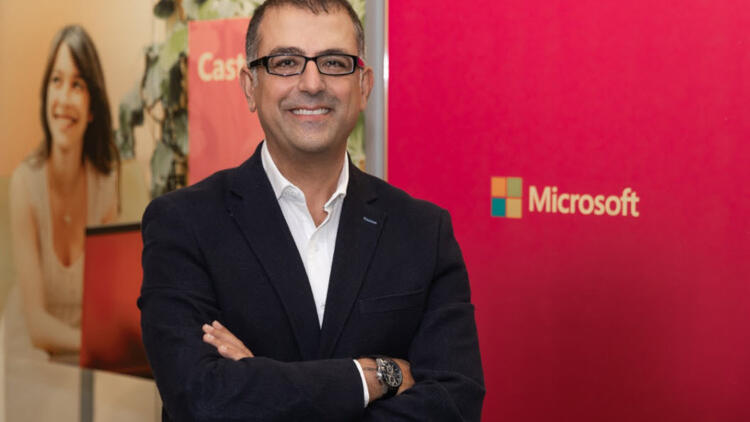
Onur Koç, CTO of Microsoft Türkiye, which collaborates with Bahçeşehir University, made important statements to Hürriyet about the work-from-home model and distance education during the pandemic.

What impact do you think distance education has in terms of equal opportunity?
We believe that distance education contributes to equal opportunity. Looking specifically at the example of Bahçeşehir University, the university has strengthened its infrastructure for all students by creating hybrid classrooms and virtual laboratories, thereby creating equal opportunity in education by protecting the right of its students, who connect from anywhere in the world via Windows Virtual Desktop and Teams, to uninterrupted access to education.
Students who can connect remotely via Windows Virtual Desktop to laboratories with different GPU and CPU specifications set up by the university for all the licensed and paid software used in laboratory courses can carry out their projects thanks to software they can use free of charge without buying any license. For example, students attending the CartoonFilmand Animation Department of the Faculty of Communication, the Faculty of Architecture and Design and the Faculty of Engineering can do their projects, animations or drawings using this infrastructure as if they were physically in the classroom at that moment, and continue their work.
Do you think remote and hybrid models will become permanent in education?
Research shows that, if not the fully remote model, the hybrid model, which we can define as half physical and half remote, will become permanent in the education system. Many educational institutions that rapidly completed their digital transformation with the pandemic are using online solutions to offer a high-quality and inclusive education program on equal terms to thousands of students all over the world.
Having experienced first-hand that this model can be implemented successfully, we no longer see distance education merely as a result of the restrictions brought by the "pandemic" and "social distancing". We expect this perspective to have a positive long-term impact on both equal opportunity and digital literacy among young people.











